
This series didn’t begin as content.
It began as a clarification.
Over time, I noticed something consistent in conversations, therapy rooms, reading lists, and quiet moments of self-reflection: many people are not unaware, unmotivated, or unwilling to change. They understand their patterns. They can explain their history. They know what should be different.
And yet, the same loops repeat.
This isn’t because something is wrong with them.
It’s because insight alone isn’t where change begins.
Why This Series Exists
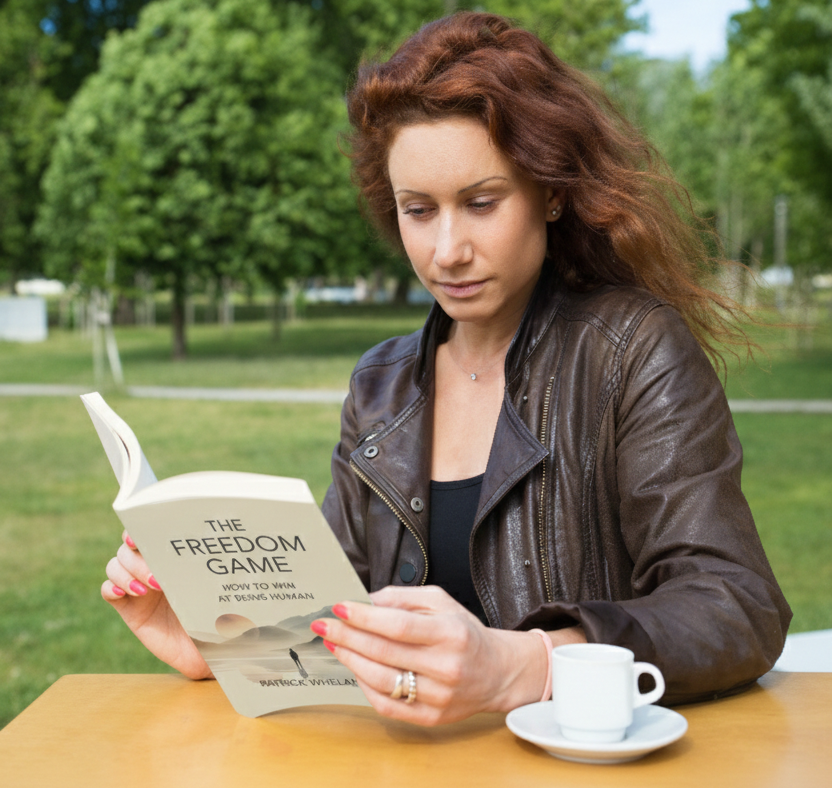
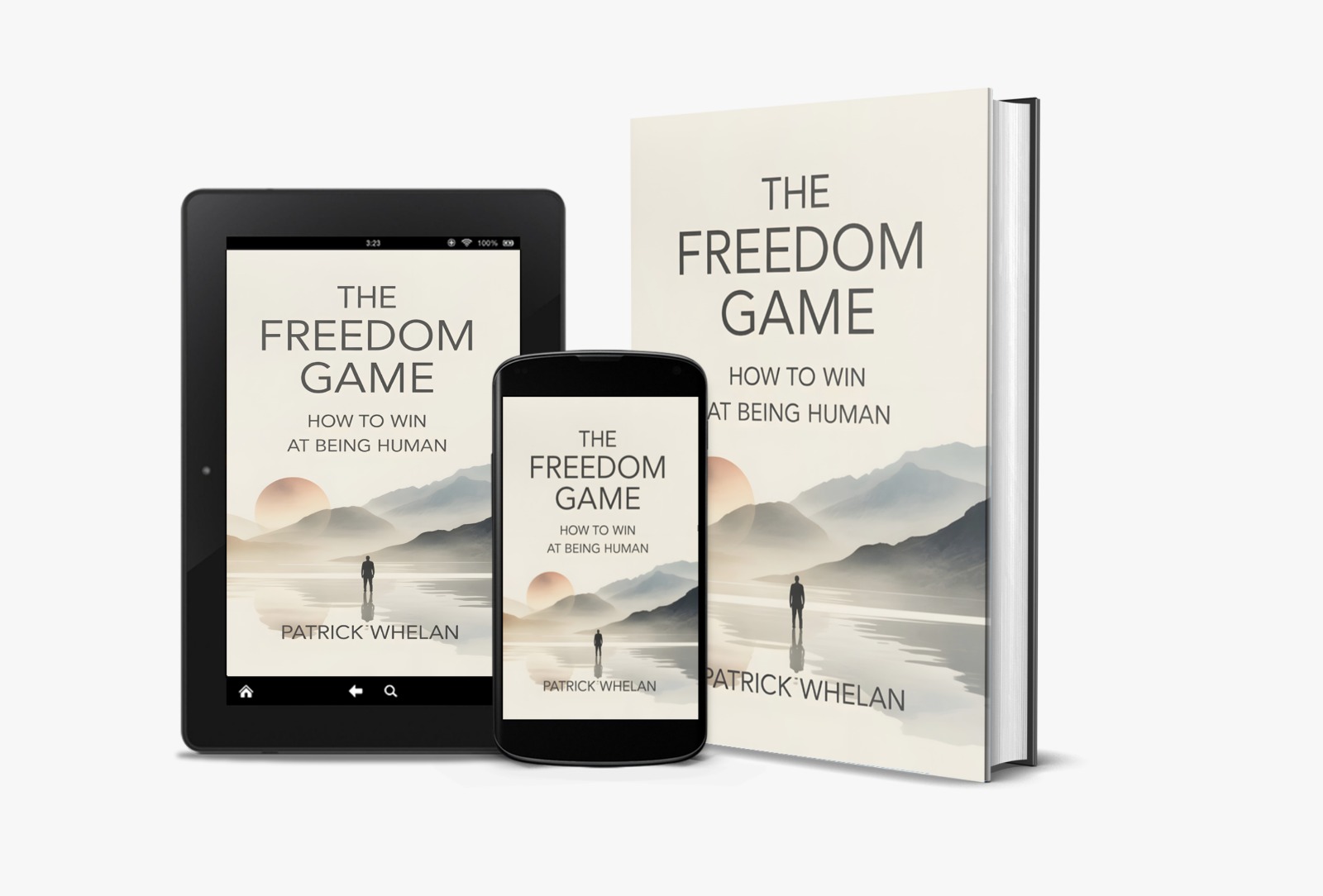
The Freedom Game explores the invisible systems that shape how we think, react, choose, and repeat—long before conscious effort comes online. The book is intentionally slow and layered. This blog series is its companion: a place to meet the ideas in real time, in lived experience, without needing to “get it right.”
These posts are not instructions to follow or lessons to master. They are reflections meant to restore something quieter and more powerful than motivation: choice.
Choice doesn’t disappear because we fail.
It disappears when safety does.
What This Series Will Explore
Over the coming weeks, this blog will unfold in twelve parts. Each post stands on its own, but together they trace a clear arc—from unconscious participation to conscious engagement.
We’ll explore:
- Why patterns repeat even after you understand them
- How the nervous system governs what feels possible
- Why calm can feel unsafe and chaos can feel familiar
- How patterns actually end (and why force never works)
- What freedom looks like when it’s lived, not imagined
This isn’t about becoming someone new.
It’s about seeing what’s already been running.
How to Read This Series
There’s no rush.
You can read the posts in order, or follow what resonates. Let things land. Notice what feels familiar, what feels uncomfortable, and what feels quietly relieving. None of that is accidental.
If a post leaves you with more questions than answers, that’s not a problem to solve. It’s often a sign that something important has been named.
A Different Kind of Invitation
This series doesn’t promise transformation.
It offers orientation.
It doesn’t ask you to fix yourself.
It invites you to notice.
And it doesn’t claim freedom is something you achieve.
It suggests freedom may already be present—once unnecessary struggle falls away.
The game is always playable.
And your next move is yours to choose.
The first post begins here.